
A Comprehensive Guide to Attic Mold Removal in Ottawa
Attics in Ottawa homes are often out of sight and out of mind—until a problem arises. Unfortunately, this forgotten space is one of the most common locations for hidden mold growth in Ontario homes. The combination of Ottawa’s harsh winters, heavy snowfall, poor ventilation, and occasional roof leaks creates perfect conditions for mold to thrive undetected. What starts as a minor moisture issue can quickly escalate into a widespread colony that threatens your roof structure, indoor air quality, and family health.
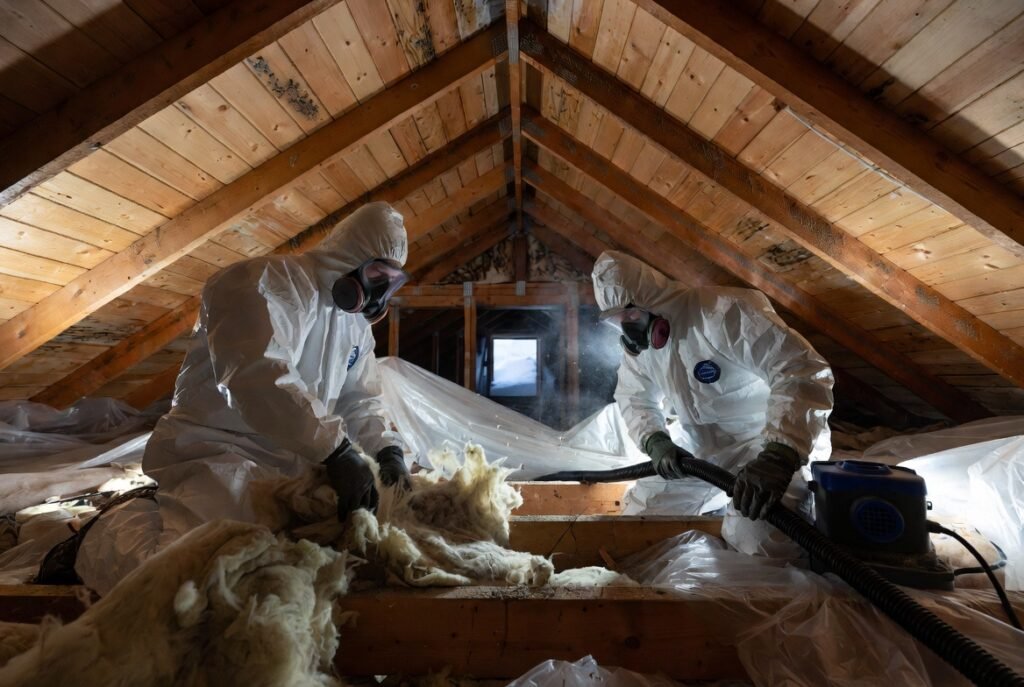
Professional attic mold removal Ottawa demands a specialized approach. Unlike surface mold in living areas, attic mold often embeds in insulation, wooden rafters, and sheathing, requiring careful removal and prevention strategies. At Bison Insulation, we combine expert mold remediation with upgraded insulation solutions to eliminate the problem and prevent recurrence.
Why Attics in Ottawa Are Especially Vulnerable to Mold
Ottawa’s climate is a major contributor to attic moisture problems:
- Extreme temperature swings: Cold winters and warm summers cause condensation on cold roof decks.
- Heavy snow accumulation: Snow sits on roofs for months, increasing the risk of ice dams.
- High humidity in summer: Warm, moist air enters poorly sealed attics and condenses on cooler surfaces.
- Aging housing stock: Many Ottawa homes, especially in Centretown, Sandy Hill, and older suburbs, have inadequate ventilation designed for modern standards.
Without regular inspection, mold can grow for years unnoticed, feeding on wood cellulose and organic dust.
How Ice Dams Cause Attic Mold in Ottawa Homes
Ice damming is one of the biggest culprits behind attic mold in our region.
The Ice Dam Cycle
- Heat escapes from the living space into the attic, warming the roof deck unevenly.
- Snow on the warmer upper roof melts.
- Water flows down to the colder eaves, where it refreezes into an ice ridge.
- Subsequent meltwater backs up behind the dam, seeping under shingles and into the attic.
This trapped water soaks insulation, plywood sheathing, and rafters, creating persistent dampness ideal for mold—especially toxic black mold (Stachybotrys chartarum).
In severe Ottawa winters, repeated ice damming can introduce hundreds of liters of water into your attic over a single season.
Ventilation Mistakes That Fuel Attic Mold
Poor or improper ventilation is another common issue we encounter.
Exhaust Fans Venting Into the Attic
Many older homes have bathroom and kitchen exhaust fans ducted directly into the attic instead of outside. This releases warm, moist air—equivalent to gallons of water weekly—straight onto cold roof structures, causing immediate condensation.
Blocked or Insufficient Soffit and Ridge Vents
Over-insulated baffles, bird nests, or debris can block airflow. Without proper intake (soffit vents) and exhaust (ridge or gable vents), humid air becomes trapped.
The Role of the Stack Effect
Similar to basements, the stack effect pulls warm, moist air upward into the attic, where it cools and condenses. This ongoing cycle sustains mold growth even without obvious leaks.
Health and Structural Risks of Attic Mold
Attic mold isn’t just an eyesore—it poses serious threats.
Health Impacts
Mold spores and mycotoxins travel downward through the stack effect into living spaces:
- Respiratory irritation, asthma triggers, and allergies.
- Headaches, fatigue, and sinus issues.
- Greater risk for children, elderly, and immunocompromised individuals.
Structural Damage
Mold digests wood components:
- Rafters and trusses lose strength, leading to sagging roofs.
- Plywood sheathing delaminates and rots.
- Contaminated insulation loses R-value, increasing energy bills.
Untreated attic mold can compromise roof integrity, resulting in costly repairs or even premature roof replacement.
Warning Signs of Attic Mold in Your Ottawa Home
Homeowners should watch for these indicators:
- Musty odors noticeable on upper floors.
- Visible black or green staining on attic wood or insulation.
- Water stains on ceilings or walls below the attic.
- Increased allergy symptoms in winter or after heavy snow.
- Higher-than-normal heating costs (due to soaked insulation).
- Frost or ice buildup inside the attic during winter.
- Curling or buckling shingles on the exterior.
If you notice any of these, avoid entering the attic without protection—disturbing mold releases spores.
The Professional Attic Mold Removal Process
Bison Insulation follows a thorough, safe protocol for mold removal Ottawa in attics:
1. Comprehensive Inspection
We assess ventilation, insulation condition, moisture sources, and mold extent using thermal imaging and moisture meters.
2. Containment
Negative air pressure and physical barriers prevent spores from spreading to the home.
3. Safe Insulation Removal
Contaminated insulation is carefully removed using HEPA vacuums. Our insulation removal Ottawa service ensures no cross-contamination.
4. Structural Cleaning
- HEPA vacuuming: Removes loose spores and debris.
- Dry ice or soda blasting: Gently abrades mold from rafters without damaging wood.
- Wire brushing or sanding: For stubborn staining on structural members.
- Antimicrobial treatment: Kills remaining mold roots.
5. Drying and Ventilation Correction
Industrial dehumidifiers and fans dry the space. We fix improper exhaust ducts and improve airflow.
6. Encapsulation and Prevention
Mold-resistant coatings seal wood surfaces. We recommend and install proper vapor barriers.
7. Re-Insulation with Mold-Resistant Materials
This is where Bison Insulation excels—preventing future issues with high-performance insulation:
- Attic insulation Ottawa: Upgrading to proper depth and coverage restores energy efficiency.
- Blown-in insulation Ottawa: Cellulose or fiberglass fills every cavity evenly, reducing air leakage.
- Spray foam insulation Ottawa: Closed-cell spray foam on the roof deck creates an airtight, moisture-resistant barrier—ideal for preventing ice dams and condensation.
While attic work is primary, whole-home improvements like floor insulation in Ottawa help balance temperatures.
Our full mold removal Ottawa services ensure every step meets industry standards.
Long-Term Prevention Strategies for Ottawa Attics
Prevention is far cheaper than remediation:
- Ensure bathroom and kitchen fans vent fully outside.
- Maintain clear soffit and ridge vents.
- Install adequate attic insulation to keep the roof deck cold and uniform.
- Use ice and water shield membranes during roof repairs.
- Schedule annual attic inspections, especially after heavy winters.
- Consider spray foam for ultimate moisture and air control.
Why Choose Bison Insulation for Attic Mold Removal in Ottawa?
We offer distinct advantages:
- Specialized attic expertise: Years of experience with Ottawa’s unique climate challenges.
- Integrated solutions: We handle removal, cleaning, and re-insulation in one project.
- Certified technicians: Trained in safe mold handling and building science.
- Eco-friendly methods: Non-toxic treatments and sustainable insulation options.
- Transparent process: Detailed reports and before/after documentation.
- Warranty-backed work: Confidence in lasting results.
Visit our homepage to explore all our services.
Reclaim Your Attic and Protect Your Home
A healthy attic is essential for a healthy roof and home. Ignoring hidden mold risks expensive repairs, reduced energy efficiency, and health concerns.
With professional attic mold removal and strategic insulation upgrades, you can eliminate the problem and prevent it from returning—even in Ottawa’s toughest winters.
Conclusion: Act Before the Next Snowfall
Don’t wait for visible damage or health symptoms. If you haven’t inspected your attic recently, now is the time.
Contact Bison Insulation today for a free attic assessment. We’ll identify issues early, provide expert remediation, and upgrade your insulation for long-term protection. A dry, mold-free attic means a stronger, healthier, and more energy-efficient home.