
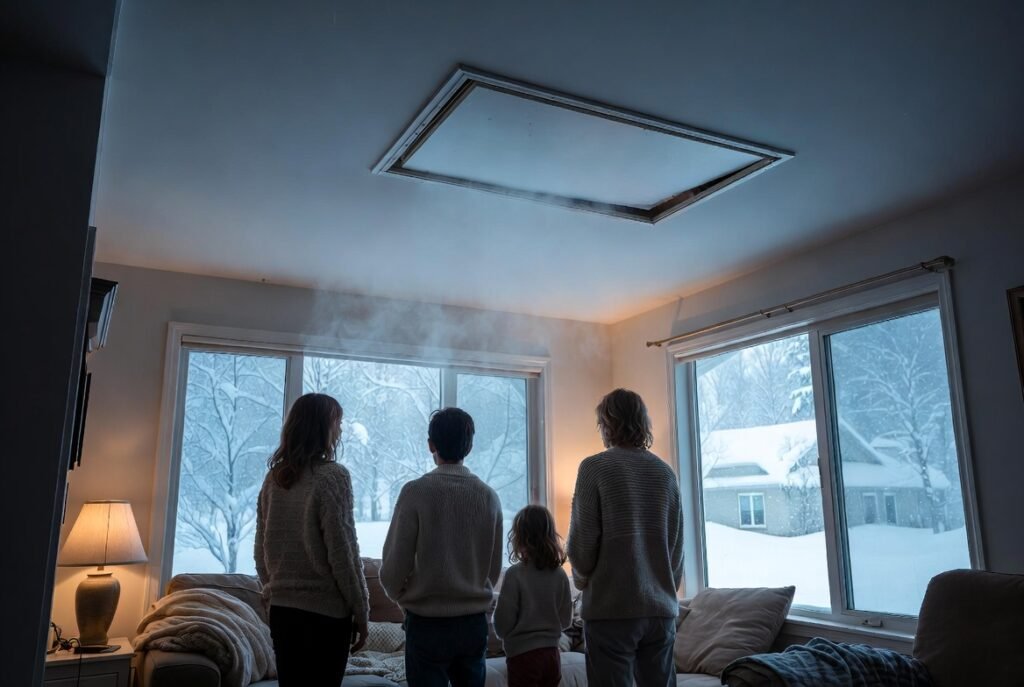
Signs Your Ottawa Home Needs Blown-In Insulation
Is Your Home Whispering (or Screaming) for Help?
Ottawa’s extreme climate—deep freezes in winter and humid heat in summer—puts tremendous stress on your home’s envelope. Many homeowners don’t realize their insulation is failing until damage appears or energy bills skyrocket. Fortunately, your house often sends clear warning signs that it’s time for an upgrade.
Blown-in insulation is one of the most effective solutions for Ottawa homes, providing seamless coverage that addresses these issues at the source. Recognizing the red flags early can prevent costly repairs, improve comfort, and lower utility costs dramatically.
At Bison Insulation, we’ve helped thousands of local homeowners identify and fix insulation deficiencies with professional blown-in insulation in Ottawa. Here are the most common signs that your home is crying out for better insulation.
Ice Dams and Icicles: Ottawa’s Classic Winter Warning
What Ice Dams Really Mean
Large icicles and thick ridges of ice along your roof edges aren’t just picturesque—they’re a serious symptom. Ice dams form when heat escapes from your living space into the attic, warming the roof deck unevenly. Snow melts, runs down to the colder eaves, and refreezes, creating dams that can back water up under shingles.
This leads to leaks, damaged roofs, ruined ceilings, and even structural issues.
Why Poor Insulation is Almost Always the Culprit
Inadequate or settled attic insulation allows too much heat to rise upward. Older fiberglass batts often compress or shift over time, leaving gaps that act as highways for heat loss.
Blown-in insulation creates a uniform, dense layer that keeps the attic cold and prevents uneven melting. Upgrading to recommended R-60 levels virtually eliminates ice dams in most Ottawa homes.
If you’re already seeing damage, start with a thorough attic insulation assessment in Ottawa.
Uneven Room Temperatures: Hot and Cold Spots Throughout the House
The Telltale Sign of Inconsistent Comfort
Do some rooms feel like a sauna while others remain chilly, even when the thermostat is set perfectly? Is the second floor unbearably hot in summer or freezing in winter? These temperature imbalances are frustrating and often point directly to insulation problems.
How Insulation Gaps Cause the Problem
Heat naturally rises in winter, escaping through a poorly insulated attic and leaving upper floors colder. In summer, radiant heat from a hot attic pours downward, overheating upstairs rooms.
Gaps, voids, or settled insulation prevent the formation of a complete thermal barrier, allowing conditioned air to escape and outside air to infiltrate.
Blown-in insulation fills every space evenly, creating consistent temperatures from basement to attic. Homeowners frequently report that their entire house finally feels comfortable after an upgrade.
Skyrocketing Energy Bills Without Explanation
When Usage Hasn’t Changed But Costs Have
If your heating or cooling bills have crept upward year after year—despite no increase in family size or appliance use—your home is likely losing energy through the roof.
Heating and cooling account for over 60% of energy use in Ottawa homes. Poor insulation forces your furnace and AC to work overtime to maintain comfort.
Quantifying the Loss
Natural Resources Canada estimates that inadequate attic insulation can waste 20-40% of your heating energy. In dollar terms, that’s hundreds or even thousands annually for the average Ottawa household.
Blown-in insulation plugs these leaks efficiently, often delivering payback within 4-7 years through lower bills. Many clients see noticeable drops in their very first season.
Drafty Rooms, Cold Floors, and Breezes Near Outlets
Feeling Drafts in Unexpected Places
Place your hand near electrical outlets, baseboards, or light switches on exterior walls—do you feel cold air seeping in during winter? Are your floors perpetually cold, even with the heat cranked up?
These drafts indicate air leakage, which almost always accompanies insufficient or degraded insulation.
The Connection to Insulation Performance
Insulation doesn’t just slow conductive heat loss—it also reduces convective loops when installed densely and completely. Traditional batts leave gaps around wiring and plumbing, allowing air movement.
Dense blown-in material seals these pathways, stopping drafts and stabilizing indoor pressure.
For floors over unheated spaces like garages or crawl spaces, consider complementary floor insulation in Ottawa alongside attic upgrades.
Excessive Dust, Allergies, or Indoor Air Quality Issues
When Insulation Affects Your Health
Frequent allergies, unexplained dust buildup, or musty odors can stem from poor insulation and air sealing. Gaps allow outdoor pollen, pollutants, and moisture to enter while letting conditioned air escape.
In humid Ottawa summers, this moisture infiltration can lead to condensation in attics or walls.
The Risk of Hidden Mold Growth
Settled or disturbed old insulation creates perfect conditions for mold if moisture is present. Mold spores then circulate through the home, affecting respiratory health.
Blown-in cellulose is naturally resistant to mold (treated with borates) and helps regulate humidity. However, if mold is already present, professional mold removal in Ottawa followed by fresh insulation is essential.
Similarly, contaminated or vermin-damaged old material should be safely removed—see our insulation removal services in Ottawa.
Noisy Home: Hearing Too Much Outside Noise
Traffic and Neighborhood Sounds Penetrating Indoors
Living near the 417, Queensway, or busy streets like Bank or Elgin? If road noise, sirens, or neighbors are clearly audible inside, your insulation may be failing at sound control.
Acoustic Benefits of Proper Insulation
Dense blown-in cellulose is excellent at absorbing sound waves, reducing noise transmission significantly more than airy fiberglass batts.
Upgrading improves peace and privacy while addressing thermal issues.
Pest Infestations or Evidence in the Attic
Unwanted Guests Taking Advantage of Warmth
Mice, squirrels, or insects often enter through small gaps and nest in warm, undisturbed insulation. Droppings, nesting material, or unusual noises overhead are red flags.
Old insulation can become compressed pathways for pests. Fresh blown-in material, especially cellulose with borate treatment, naturally deters insects and rodents.
Visible Signs in the Attic: The Direct Evidence
What to Look For (Safely)
If you venture into your attic:
- Insulation depth below 12-15 inches (typically insufficient for Ottawa)
- Uneven or patchy coverage
- Dark stains indicating air leakage
- Compressed or disturbed areas
- Frost or condensation in winter
These visual cues confirm the need for top-up or replacement with blown-in insulation.
Aging Home: Built Before Modern Standards
When Your Home’s Age is the Giveaway
Most Ottawa homes built before the 1990s were insulated to much lower standards (often R-30 or less). Codes now require R-60 for attics in our climate zone.
If your home is 30+ years old and hasn’t had insulation upgraded, it’s almost certainly underperforming.
Even newer homes can benefit from blown-in top-ups if the original installation was subpar.
The Cost of Ignoring These Signs
Waiting too long risks:
- Thousands in roof and water damage repairs from ice dams
- Premature HVAC failure from overwork
- Health issues from poor indoor air quality
- Continuously rising energy expenses
Addressing insulation early is far cheaper and less disruptive.
Why Blown-In Insulation is the Ideal Fix for These Issues
Blown-in offers advantages that directly solve every sign listed:
- Seamless fill eliminates gaps causing uneven temperatures and ice dams
- High density reduces air leakage and drafts
- Quick installation with minimal mess
- Excellent R-value and long-term stability
- Options for walls, floors, and hard-to-reach areas
For complex sealing needs, many homeowners pair it with targeted spray foam insulation in Ottawa.
Take Action Before the Next Polar Vortex
Don’t wait for another brutal Ottawa winter or sweltering summer to confirm what your home is already telling you. Recognizing these signs and acting promptly will restore comfort, protect your investment, and save money for years to come.
Contact Bison Insulation today for a free, no-obligation attic evaluation. Visit our homepage to learn more about our services and schedule your inspection.
Your home will thank you—and so will your wallet.