
How to Choose the Right Attic Insulation for Your Ottawa Home
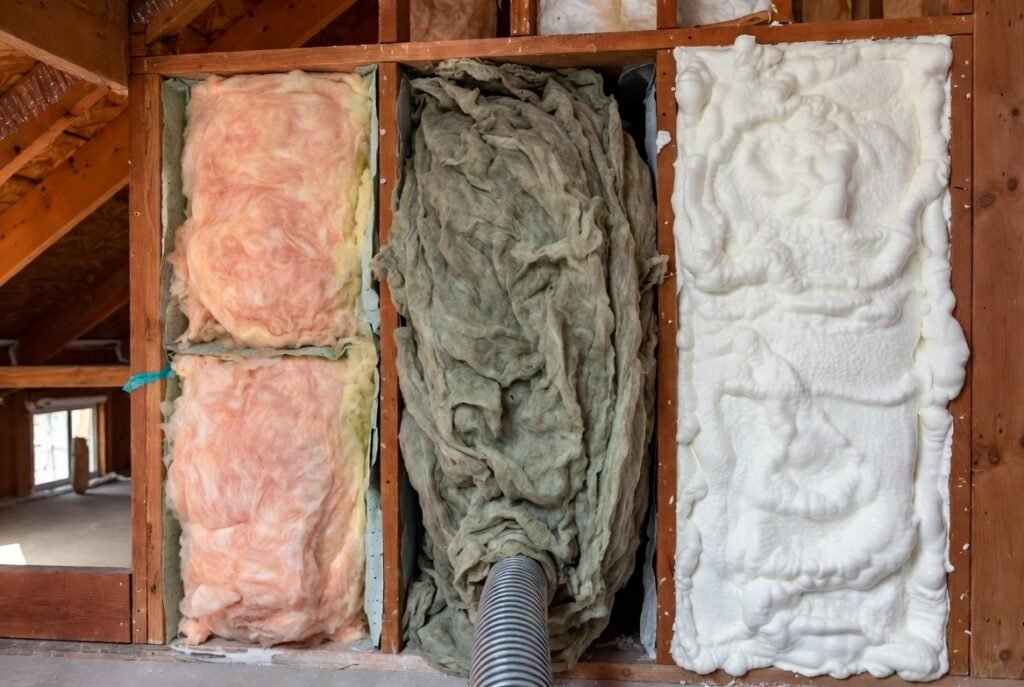
Selecting the perfect attic insulation for your Ottawa home can feel daunting with so many options flooding the market—fiberglass, cellulose, spray foam, mineral wool, and more. Marketing claims often exaggerate benefits while downplaying drawbacks, leaving homeowners confused about what truly works in our harsh Canadian climate.
At Bison Insulation, we’ve spent over 50 years guiding Ottawa families through this decision. We cut through the noise to match the right insulation type, R-value, and installation method to your specific home, lifestyle, and budget. The result? Maximum energy savings, superior comfort, and long-term protection against ice dams, mold, and structural damage.
This in-depth guide walks you through a proven step-by-step process to choose the best attic insulation for your property. Whether you live in a historic Centretown century home or a modern Barrhaven subdivision, you’ll gain the knowledge to make an informed choice.
Why Choosing the Right Insulation Matters in Ottawa
Ottawa’s extreme climate—freezing winters with heavy snow loads and humid summers—puts unique demands on home insulation. Poorly chosen or installed insulation leads to:
- Skyrocketing energy bills (attics can account for 25-40% of heat loss)
- Ice dams and costly roof damage
- Uneven temperatures and cold upstairs rooms
- Moisture issues, mold growth, and reduced indoor air quality
- Premature settling or performance degradation
The right insulation, properly installed, delivers the following:
- Up to 30-40% reduction in heating and cooling costs
- Even, comfortable temperatures throughout your home
- Better soundproofing and moisture control
- Increased home resale value and rebate eligibility
Our specialized attic insulation services in Ottawa ensure you get a tailored solution that performs for decades.
Step 1: Assess Your Home’s Age, Structure, and Current Condition
No single insulation type is “best” for every home. The optimal choice depends heavily on your property’s unique characteristics.
Century and Older Homes (Glebe, Centretown, Sandy Hill)
Historic Ottawa homes often feature the following:
- Irregular or shallow joist spacing
- Knob-and-tube wiring (requiring non-conductive materials)
- Plaster-and-lath ceilings with potential air leakage
- Existing vermiculite or outdated insulation
Recommended: Blown-in cellulose. This dense, recycled-paper material flows easily around obstructions, fills irregular spaces completely, and provides excellent fire resistance (treated with borates). It’s also one of the safest options around older wiring.
Post-War to 1990s Homes (Nepean, Kanata, older Orleans)
These homes typically have:
- Standard truss systems with open attic spaces
- Some existing fiberglass batts (often compressed or uneven)
- Moderate air leakage points
Recommended: Blown-in fiberglass or cellulose top-up. Both achieve full, even coverage without disturbing existing material (after proper assessment).
Modern Homes (Barrhaven, Stittsville, Findlay Creek, New Orleans)
Newer subdivisions feature:
- Deep, uniform truss designs ideal for deep insulation layers
- Tighter building envelopes but often minimal factory insulation
- Larger attic footprints
Recommended: High-volume blown-in fiberglass for cost-effective R-60 achievement, or closed-cell spray foam for ultimate performance in conditioned attics.
A professional inspection is crucial—hidden issues like mold, pest damage, or inadequate ventilation can dictate material choices. If needed, we start with safe insulation removal in Ottawa and mold removal in Ottawa to create a clean slate.
Step 2: Determine Your Target R-Value and Starting Point
R-value measures insulation’s resistance to heat flow—higher is better. Ottawa’s building code requires a minimum R-60 for attics (about 18-22 inches depending on material), but many homes fall far short.
Evaluate Your Current Insulation
- R-0 to R-20 (common in pre-1980s homes): Any upgrade yields dramatic savings.
- R-20 to R-40 (1990s-2000s builds): Topping up to R-60 still provides excellent ROI.
- R-40+ (newer homes): Focus on air sealing and complementary upgrades.
Use a ruler during your next attic visit to measure depth, then consult R-value charts for your existing material. Unsure? Our free assessments include precise measurements and thermal imaging.
Material R-Values Per Inch (Approximate)
- Blown-in cellulose: R-3.6–3.8
- Blown-in fiberglass: R-2.2–2.7 (loose-fill) to R-3.0–4.0 (stabilized)
- Open-cell spray foam: R-3.6–3.8
- Closed-cell spray foam: R-6.0–7.0
- Mineral wool batts: R-3.0–3.3
To reach R-60:
- Cellulose needs ~16-18 inches
- Fiberglass needs ~22-24 inches
- Closed-cell spray foam needs only ~9-10 inches
Our blown-in insulation experts in Ottawa calculate exact depths for optimal performance without overfilling.
Step 3: Factor in Secondary Benefits and Priorities
Beyond basic heat retention, different materials excel at specific challenges.
Moisture and Humidity Control
Ottawa’s freeze-thaw cycles create condensation risks. If your home has a history of ice dams, attic rain, or high humidity:
Best Choice: Closed-cell spray foam insulation in Ottawa. It creates a complete vapor barrier, prevents air movement, and adds structural strength.
Superior Soundproofing
Living near busy roads (like the 417) or with noisy neighbors?
Best Choice: Dense mineral wool or high-density cellulose. These materials absorb sound waves far better than fiberglass.
Eco-Friendly and Sustainable Options
Concerned about environmental impact?
Best Choice: Blown-in cellulose (up to 85% recycled content, low embodied energy) or mineral wool (made from slag and rock).
Fire Resistance
All modern insulation meets safety standards, but some perform better:
Top Performers: Mineral wool (non-combustible) and treated cellulose.
Allergy and Air Quality Concerns
Want minimal dust and irritants?
Best Choice: Spray foam (fully adheres, no loose fibers) or professionally installed blown-in materials with proper containment.
Step 4: Balance Budget, Performance, and Long-Term Value
We break down options into clear tiers:
Good: Cost-Effective Performance
- Blown-in fiberglass
- Pros: Lowest upfront cost, non-combustible, easy to achieve R-60
- Ideal for: Budget-conscious homeowners with standard attics
- Expected payback: 5-8 years
Better: Excellent Value and Versatility
- Blown-in cellulose
- Pros: Superior air sealing, soundproofing, eco-friendly, settles minimally
- Ideal for: Most Ottawa homes seeking balanced performance
- Expected payback: 4-7 years
Best: Premium Performance
- Closed-cell spray foam
- Pros: Highest R-value per inch, complete air and vapor barrier, adds rigidity
- Ideal for: Homes with moisture issues, conditioned attics, or maximum efficiency goals
- Expected payback: 7-12 years (with largest absolute savings)
Don’t forget related areas—insulating basement joists or cantilevered floors often delivers high returns. Our floor insulation services in Ottawa complete your home’s thermal envelope.
Common Mistakes to Avoid When Choosing Insulation
- Selecting solely on lowest price (cheap materials settle faster)
- Ignoring air sealing and ventilation needs
- Assuming all installers deliver equal quality
- Overlooking rebates and incentives
The Bison Insulation Difference
We don’t sell products—we solve problems. Every project includes:
- Free, no-pressure attic assessment with thermal imaging
- Clear “Good/Better/Best” quotes with no hidden fees
- Certified installers using premium materials
- Post-installation verification and warranty
- Guidance on available rebates
Visit our homepage to explore options and book your assessment.
Conclusion: Make the Smart Choice for Your Ottawa Home
Choosing the right attic insulation isn’t about picking the most expensive or heavily marketed option — it’s about finding the perfect match for your home’s structure, your priorities, and your budget.
By following these steps—assessing your home, targeting proper R-value, considering secondary benefits, and balancing cost with performance—you’ll enjoy lower bills, greater comfort, and lasting protection against Ottawa’s toughest weather.
Don’t guess or settle for generic advice. Get a professional, analytical assessment tailored to your property.
Contact Bison Insulation today. We’ll help you choose and install the ideal insulation solution that delivers real results for years to come.