
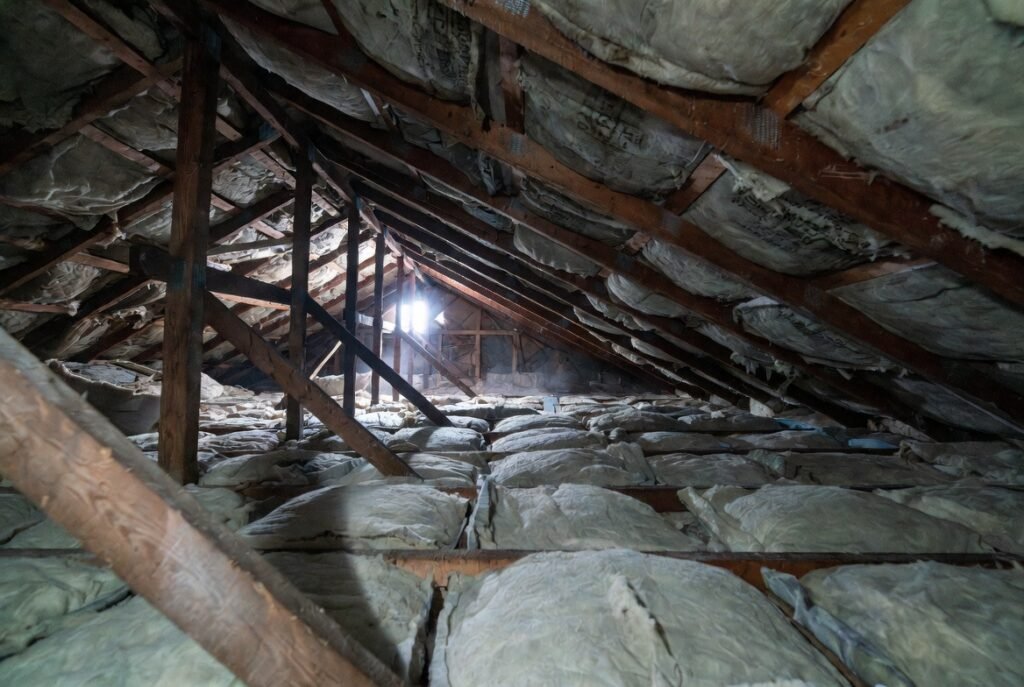
7 Clear Signs Your Ottawa Home Needs New Attic Insulation
Your home communicates when something’s wrong—through uncomfortable rooms, mysterious drafts, or unexpectedly high bills. In Ottawa, where winters are brutal and summers increasingly hot, one of the most common culprits behind these issues is underperforming or degraded attic insulation.
Many older homes in neighborhoods like Glebe, Westboro, Kanata, and Barrhaven were built with minimal insulation that has settled, compressed, or become damaged over decades. Even newer homes can suffer from inadequate depth or installation flaws. When attic insulation fails, you don’t just lose energy — you risk ice dams, mold growth, pest infestations, and costly structural repairs.
At Bison Insulation, we’ve spent over 50 years assessing Ottawa attics and helping homeowners restore comfort and efficiency. Recognizing the warning signs early can save you thousands in energy costs and prevent major damage. Here are the seven most telling indicators that your home needs an attic insulation upgrade.
Sign 1: Ice Dams and Heavy Icicles in Winter
Few sights signal insulation problems more clearly than massive icicles hanging from your gutters or thick ridges of ice along roof edges.
How Ice Dams Form
Heat escaping from your living space warms the attic and roof deck, melting snow from below even when outside temperatures are well below freezing. Meltwater flows down to the colder eaves (roof overhang), refreezes, and builds a dam. Subsequent water backs up under shingles, seeping into your home.
Ottawa’s heavy snowfall and frequent freeze-thaw cycles make this especially common. Ice dams don’t just look dramatic—they cause serious damage:
- Water infiltration leading to stained ceilings and “attic rain”
- Rotted roof decking and fascia
- Peeling interior paint and damaged drywall
- Mold growth in walls and attics
If you notice ice dams every winter, your attic is losing too much heat. Upgrading to proper R-60 attic insulation in Ottawa creates the “cold roof” needed to prevent premature snow melt.
Sign 2: Overly Hot Upper Floors in Summer
Does your second floor feel like a sauna during Ottawa’s humid heatwaves while the main floor stays comfortable? This “second-floor sauna” effect is a classic symptom of inadequate attic insulation.
Why It Happens
The sun beats down on your roof, turning the attic into an oven (often exceeding 50–60°C). Without sufficient insulation depth and coverage, radiant heat transfers directly into upper rooms. Settled or thinned insulation loses R-value over time, allowing more heat gain.
Homeowners often resort to running air conditioning nonstop upstairs, driving up hydro bills dramatically. Proper insulation reflects heat away and maintains even temperatures throughout your home year-round.
Sign 3: Unexplained Drafts and Uneven Room Temperatures
Feeling cold drafts in rooms far from windows? Or noticing some rooms stay chilly while others overheat?
The Ceiling Bypass Effect
Most drafts originate from the attic. Gaps around recessed lights, plumbing stacks, attic hatches, and electrical penetrations allow warm air to escape upward (stack effect) while pulling cold air in from below. This creates “phantom winds” that make your home feel drafty no matter how high you set the thermostat.
In two-storey homes, upstairs bedrooms often remain colder than downstairs in winter due to heat rising and escaping through a weak attic barrier. These temperature imbalances indicate your insulation isn’t forming a complete thermal envelope.
Air sealing combined with high-performance blown-in insulation in Ottawa eliminates these bypasses for consistent comfort.
Sign 4: Skyrocketing Energy Bills
Compare your current Enbridge gas or Hydro Ottawa bills to last year’s for the same months. If costs have spiked 20–30% despite similar weather and household usage, your insulation is likely failing.
The Numbers Tell the Story
A poorly insulated attic can account for 25–40% of total home heat loss in winter. As insulation settles or becomes damaged, its effective R-value drops, forcing your furnace to work overtime.
Many Ottawa homeowners are shocked to learn their “normal” high bills are actually symptoms of inadequate insulation. Upgrading typically delivers 20–40% energy savings — often paying for itself within 5–8 years through lower utility costs alone.
Sign 5: Visible Signs of Moisture or Mold in the Attic
Musty odors, dark stains on roof decking, or visible mold growth? These are red flags for serious insulation and ventilation issues.
Moisture’s Destructive Path
Poor insulation allows warm, moist household air to enter the cold attic, where it condenses on roof sheathing. Over time, this leads to:
- Sodden insulation that loses insulating power
- Wood rot in rafters and trusses
- Toxic mold that affects indoor air quality
If you spot mold, don’t just add new insulation on top — it will trap moisture and worsen the problem. Professional mold removal in Ottawa followed by proper insulation and ventilation fixes the root cause.
Sign 6: Pest Infestations and Droppings
Hearing scratching in the walls or ceiling? Finding droppings, nests, or damaged wiring in your attic?
Why Pests Love Old Insulation
Degraded fiberglass or cellulose becomes an inviting nesting material for mice, squirrels, and rats seeking winter warmth. Tunnels and nests compress insulation, creating cold spots while contaminating material with urine and droppings (health hazards).
Pest-damaged insulation must be completely removed before upgrading. Modern dense-pack materials are less appealing to rodents and include natural deterrents.
Our safe insulation removal in Ottawa process eliminates contaminated material and prepares your attic for fresh, pest-resistant insulation.
Sign 7: Cold Floors and High Humidity Issues
Do your floors feel cold even with the heat on? Or do you battle excessive indoor humidity and condensation on windows?
The Whole-Home Connection
Attic problems often cascade throughout the house. Poor attic insulation allows heat to escape upward, leaving less warmth for lower levels. It also disrupts natural moisture movement, leading to clammy conditions or overly dry air.
In homes with cantilevered floors or uninsulated basement joists, cold spots radiate upward. Complementing attic upgrades with targeted floor insulation in Ottawa creates a complete thermal barrier.
For homes with complex rooflines or moisture challenges, spray foam insulation in Ottawa provides superior air sealing and humidity control.
What to Do If You Notice These Signs
Don’t ignore these symptoms—they rarely improve on their own and typically worsen over time.
Next Steps for Ottawa Homeowners
- Perform a visual attic inspection (safely) for obvious issues
- Check energy bills for unexplained increases
- Monitor for ice dams during the next snowfall
- Schedule a professional assessment
A thorough evaluation includes:
- Measuring current insulation depth and R-value
- Thermal imaging to detect heat loss
- Ventilation and moisture assessment
- Recommendations tailored to your home
The Benefits of Addressing Attic Insulation Problems Promptly
Acting now delivers immediate and long-term rewards:
- Lower energy bills (often $500–$1,500 annual savings)
- Even, comfortable temperatures year-round
- Protection against ice dams and water damage
- Improved indoor air quality and health
- Reduced carbon footprint
- Increased home value and resale appeal
- Eligibility for federal and provincial energy rebates
Visit our homepage to learn more about current incentive programs.
Don’t Wait for Major Damage — Act Today
These seven signs are your home’s way of telling you it’s time for an attic insulation upgrade. Waiting risks escalating repair costs and continued discomfort.
With over 50 years of experience, Bison Insulation has helped thousands of Ottawa homeowners eliminate these problems permanently. Our comprehensive assessments identify all issues, and our expert installations deliver lasting performance.
Contact us today for a free, no-obligation attic evaluation. We’ll show you exactly what your home needs to stay comfortable, efficient, and protected through Ottawa’s toughest seasons.